Mike’s Pretty Good Campers builds custom teardrop campers with strong craftsmanship and personalized design. Main benefits include full customization and direct communication with the builder. Main drawbacks include limited availability, no fixed pricing, and flexible timelines. Buyers need patience and clear expectations before purchasing.
Before buying any custom camper, it’s important to understand both the benefits and risks. Small independent builders like Mike’s Pretty Good Campers operate differently from large RV manufacturers, offering personalized work and flexibility, but with certain limitations.
This article explains the real advantages and drawbacks to help buyers make informed decisions. Before evaluating the pros and cons, you can verify the brand’s legitimacy in our detailed review.
This guide is based on public information and general research. It is not affiliated with Mike’s Pretty Good Campers. Buyers should confirm details directly with the builder before purchasing.
Main Advantages
One of the biggest advantages of Mike’s Pretty Good Campers is customization. Buyers can discuss their needs directly with the builder and adjust the layout, features, and materials according to their travel style. This allows for a more personal and tailored camper compared to factory-made models.
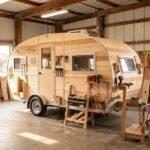
Another benefit is the focus on craftsmanship. Each camper is built one at a time, which allows more attention to detail than mass production. Materials are selected carefully, and the build process reflects years of carpentry experience.
The lightweight design is also important. These campers are easier to tow and usually cost less to operate than large RVs. Many mid-size vehicles can handle them comfortably, making travel simpler.
Direct communication is another major advantage. There is no dealership in between. Buyers speak directly with the person building the camper, which often leads to clearer expectations and better customization.
Practical Limitations
Because this is a small operation, production capacity is limited. Only a certain number of campers can be built each year, which means availability may be restricted.
There is also limited public information online. Prices, timelines, and detailed comparisons are not always listed, so buyers must rely on direct communication.
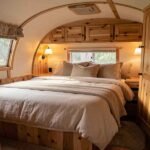
Interior space is restricted by design. These campers are compact and do not offer standing room or built-in bathrooms. Buyers who expect large living areas or luxury interiors may find the setup too basic.
Common Buyer Mistakes
Some buyers expect dealership-style service, including instant quotes, fixed prices, and fast delivery. This is not how custom builders usually operate. Expecting mass-production speed can lead to disappointment.
Others underestimate how small teardrop campers really are. Without seeing one in person, some people assume there is more space than there actually is. This can affect comfort if expectations are unrealistic.
Another common mistake is not planning features clearly from the beginning. Changing designs later in the process can increase costs and extend timelines.
Delivery and Timeline Risks
Since each camper is built individually, timelines depend on workload, material availability, and customization level. During busy periods or supply delays, build time may increase.
Buyers who need a camper by a specific date should discuss timing clearly in advance. Custom builds require patience and flexibility.
This model suits buyers who are comfortable waiting rather than those who need immediate delivery.
Maintenance and Repair Considerations
Custom campers often use specific materials and layouts chosen by the buyer. This can affect future repairs and modifications.
Basic maintenance is usually simple, but major repairs may require contacting the original builder or finding specialized help. Keeping records of materials, wiring, and components can be helpful for long-term ownership.
Proper care plays a major role in maintaining value and performance.
Financial and Resale Factors
Because pricing is custom, resale value varies widely. Some buyers value handmade campers, while others prefer well-known factory brands.
Highly customized designs may appeal strongly to niche buyers but not to everyone. This can affect how quickly a camper sells in the used market.
There is also no standard financing system like those offered by large RV brands. Buyers usually arrange payments independently. For detailed pricing information and cost expectations, see our pricing guide.
Who Should Be Careful Before Buying
This type of camper may not suit buyers who want instant delivery, fixed pricing, large interior space, built-in bathrooms, or dealer-backed warranties.
It may also not be ideal for people who are uncomfortable with direct negotiation, flexible timelines, or personalized build processes.
Buyers who prefer structured systems and predictable purchasing may feel more comfortable with mass-produced brands. To learn more about features and specifications, read our complete buying guide.
FAQs
Are these campers risky to buy?
They are not inherently risky, but buyers must understand the custom process and communicate clearly.
Can delays happen?
Yes. Like most custom builds, timelines can change based on workload and materials.
Is customer support available after purchase?
Support usually comes directly from the builder rather than through a service network.
Are these campers suitable for beginners?
They can be, as long as beginners understand the limitations of teardrop camping.
Final Summary
Mike’s Pretty Good Campers offers a personalized approach to teardrop camper building. The main strengths include customization, material care, and direct communication. The main challenges involve limited production, flexible timelines, and fewer standardized systems.
Buyers who value custom craftsmanship and simple travel setups may find this approach suitable. Those who want fixed pricing, quick delivery, or large living spaces should carefully reconsider before proceeding.