Mike’s Pretty Good Campers cost is not published as a fixed price online. The final cost depends on design choices, materials, and optional features. Because each camper is custom-built one at a time, pricing is discussed directly with the builder rather than listed publicly.
People searching for Mike’s Pretty Good Campers cost are usually trying to understand whether these custom teardrop campers fit their budget. Unlike large RV brands that use dealership pricing, this business works on a custom-build model.
Every camper is made individually, which means costs vary depending on what the buyer wants included. To understand what features and specifications you get for the cost, see our buying guide.
This article explains how Mike’s Pretty Good Campers pricing works, what affects the final cost, and how buyers should think about value instead of focusing only on a single price number. All information here is based on publicly available details and general industry
practices. Buyers should always confirm current pricing, features, and timelines directly with the builder.
Why There Is No Fixed Price
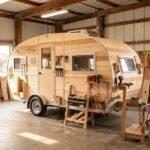
Mike’s Pretty Good Campers operates as a small, one-person custom workshop. Each camper is designed and built according to individual requirements rather than a standard model lineup. Because of this, publishing a fixed price list would not accurately reflect real build costs.
Custom builders typically price their work based on materials, labor, and requested features. This is why pricing for Mike’s Pretty Good Campers is handled through direct discussion instead of online listings.
What Affects Mike’s Pretty Good Campers Cost
The final cost of a Mike’s Pretty Good Camper depends mainly on how the camper is built and what features are included. Material quality plays a major role, especially interior woodwork, cabinetry, insulation, and exterior finishing.
Electrical systems, water storage, kitchen setup, and comfort features also influence pricing. More customization generally increases the total cost, while simpler builds help keep pricing more controlled. Because every camper is different, two builds rarely cost the same.
Base Build vs Add-Ons
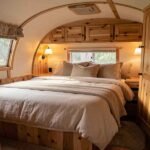
A basic build typically includes the camper shell, sleeping area, ventilation, lighting, power outlets, and a compact kitchen galley. This forms the foundation of the price and provides everything needed for simple camping use.
Optional additions such as solar panels, hot water systems, sinks, awnings, extra storage, or upgraded electrical setups add to the final cost. Since the process is fully custom, buyers decide how many extras they want based on their travel style and budget.
Typical Cost Range Expectations
Mike’s Pretty Good Campers does not publish official pricing, but custom teardrop campers in this category usually fall into a mid-range price level.
They are often more expensive than basic DIY or entry-level factory campers but generally less costly than full-size RVs or high-end luxury teardrop brands. Exact pricing depends entirely on design complexity, materials used, and optional features chosen by the buyer.
Value Compared to Mass-Produced Campers
Mass-produced campers often cost less upfront because they are built in large quantities, but customization options are limited. Buyers usually select from pre-set layouts and features.
With Mike’s Pretty Good Campers, buyers pay for personalized design, direct involvement with the builder, and careful material selection.
The value comes from craftsmanship and customization rather than factory scale, which can be important for buyers who want a unique setup. Before deciding, you can also verify the brand’s legitimacy and owner details in our review.
Long-Term Cost Considerations
Because these campers are lightweight and simple by design, long-term costs such as fuel, storage, and basic maintenance are usually lower than those of large RVs. Their compact size also makes them easier to store and tow.
However, since each camper is custom-built, repair or modification costs depend on the materials used and how the camper is maintained. Proper care plays a big role in preserving long-term value.
When the Price May Feel High
For buyers who expect instant pricing, fast delivery, or dealership-style financing, this custom pricing model may feel inconvenient. Custom builds require patience and clear communication.
Buyers who compare campers only by price, without considering build quality or customization, may find mass-produced options more suitable.
Who the Pricing Model Works Best For
The pricing approach used by Mike’s Pretty Good Campers works best for buyers who value customization, prefer direct communication, and are comfortable with flexible timelines. It suits people who want a camper built to their specific needs rather than a one-size-fits-all product.
It may not suit buyers who want fixed prices, immediate delivery, or large-scale brand warranties.
FAQs
Why isn’t the price listed online?
Because each camper is custom-built, a fixed price would not accurately reflect the final cost.
Is customization mandatory?
No. Buyers can choose simpler builds to help control pricing.
Are these campers cheaper than RVs?
Yes. They are generally much less expensive than full-size RVs, although pricing varies by build.
Does customization affect resale value?
Resale value depends on condition and market demand. Custom features may appeal strongly to some buyers but not everyone.
Final Summary
Mike’s Pretty Good Campers follows a personalized pricing model instead of a fixed-price system. Costs depend on materials, features, and design choices discussed directly with the builder. This approach emphasizes craftsmanship, flexibility, and practical value rather than mass production.
Buyers researching Mike’s Pretty Good Campers cost should first understand their needs, decide which features matter most, and then communicate directly to receive accurate pricing information.